In the realm of nonprofit organizations, safeguarding sensitive data is of paramount importance. With the digital landscape continually evolving, non-profits must adapt by employing effective data security strategies to protect their valuable information and foster trust with donors and stakeholders.
A striking recent development is the increased focus on cybersecurity within nonprofit sectors. Data breaches can have severe consequences, causing reputational damage and financial loss. The Cybersecurity and Infrastructure Security Agency (CISA) has emphasized the need for nonprofits to bolster their digital defenses, especially amidst a growing array of digital threats.
Encrypting sensitive data is one of the most recommended tactics. Encryption ensures that even if data is intercepted, it cannot be read without the encryption key. Nonprofits are encouraged to routinely update their encryption protocols and review their data access policies to ensure only authorized personnel can access critical information.
Another essential practice is implementing robust password management policies. Nonprofit employees should be educated on creating strong, unique passwords and encouraged to use password management tools to store and organize their credentials securely. Multi-factor authentication is also highly recommended as it adds an additional layer of security.
Training staff on recognizing phishing emails and other social engineering attacks is crucial. Conducting regular cybersecurity training sessions and drills helps instill a culture of security awareness across the organization. By recognizing potential threats, employees can act as the first line of defense against cyber threats.
Regular software updates are non-negotiable. Ensuring that all systems and applications are up to date with the latest security patches can significantly reduce vulnerabilities. It is imperative for nonprofit organizations to maintain a regular update schedule and employ automation tools where possible to streamline this process.
A real-life example illustrating the importance of these measures is a well-known charity that suffered a data breach due to outdated systems and poor security practices. The breach resulted in the unauthorized access of donor information, highlighting the dire need for stringent cybersecurity protocols within nonprofits.
Adopting cloud-based solutions can also enhance data security. Reputable cloud service providers offer advanced security features, including automated backups and comprehensive data protection measures, allowing nonprofits to focus on their core missions without having to worry about extensive IT infrastructure.
Ultimately, addressing the cybersecurity challenges of today requires a proactive approach. Nonprofits should consider investing in dedicated IT security personnel or consulting professionals with expertise in safeguarding digital assets. By prioritizing data security, nonprofits not only protect their stakeholders but also enhance their operational efficiency and effectiveness.
Enhancing Data Security in Nonprofits: Essential Tech Tips Featured
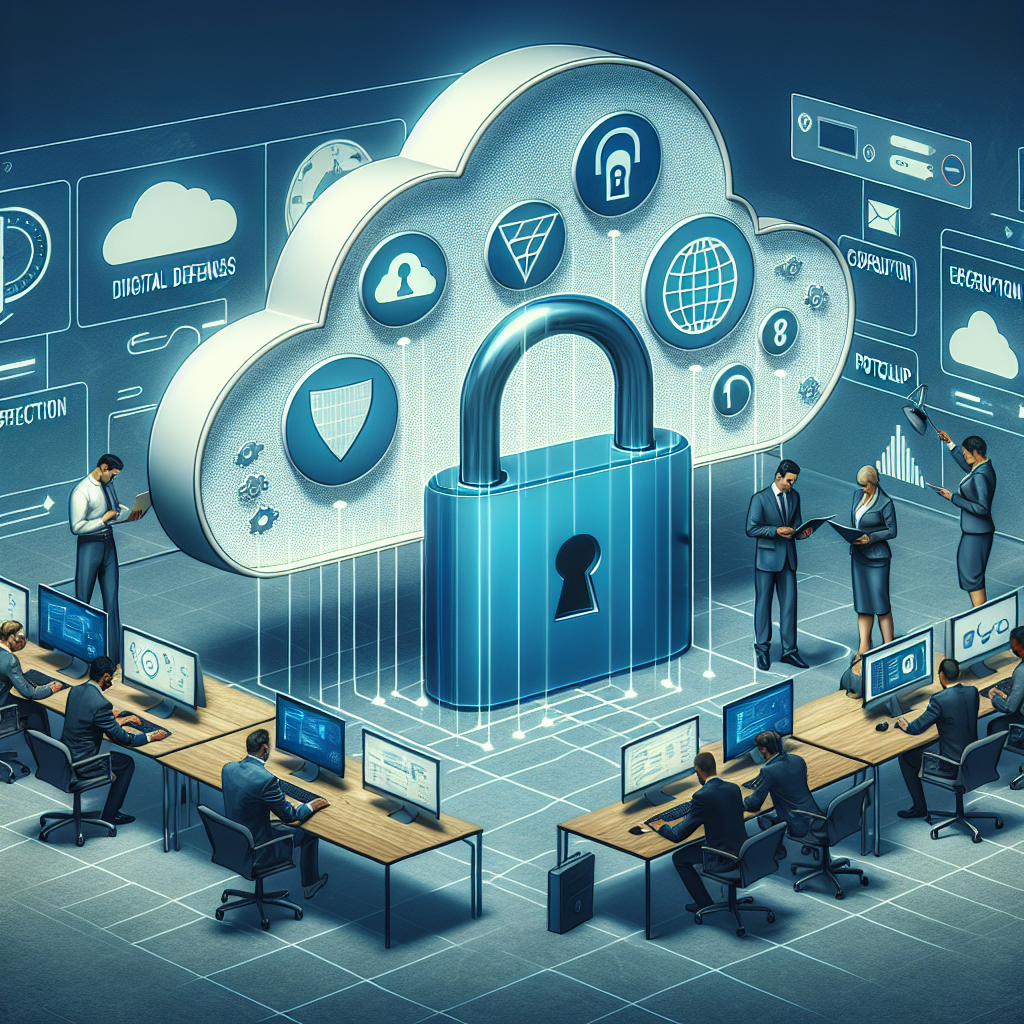 Explore essential tech tips for enhancing data security in nonprofit organizations, focusing on encryption, password management, and cloud solutions.

Latest from NonProfit Tech News
- Revolutionizing Nonprofit Operations with Tech Innovations
- Exploring the Rise of Tech in Nonprofit Fundraising Strategies
- The Buzz: Nonprofits Embrace Blockchain for Transparent Fund Management
- The Buzz Around Nonprofit Technology: Navigating New Funding Solutions
- Leveraging Cloud Computing for Nonprofit Success